Residential Water Damage Restoration in Panama City, FL
Dealing with water damage inside your home? PC Dryout helps homeowners in Panama City, FL address water problems caused by plumbing leaks, appliance failures, and indoor water incidents. Whether moisture has spread across living areas, soaked into carpets, or affected walls and ceilings, taking early action helps protect your property from deeper damage.
Need residential water damage help? Contact PC Dryout to discuss the damage and get the practical support your home needs.
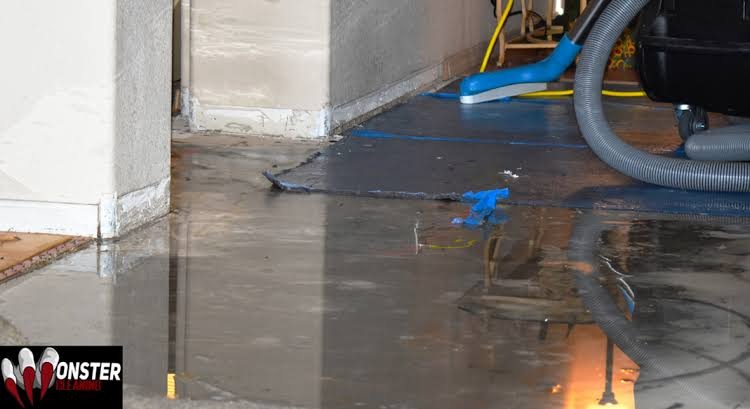
Helping homeowners evaluate, dry, and restore living spaces affected by interior water leaks.
Residential Water Damage Restoration for Panama City Homes
Water can affect different parts of a home in unexpected ways. When an indoor water incident occurs, moisture quickly moves across floors, seeps under baseboards, travels up drywall, and can even compromise ceilings and built-in cabinets. Personal belongings resting on wet carpeting or tile can also absorb water if left unchecked.
The work required always depends on the source of the water and the overall extent of the damage. A clean water leak from a supply line calls for different handling than dirty water from an appliance backup or storm intrusion. Some materials dry effectively in place, while other porous items may require specialized attention.
Our primary focus is assessing the damage thoroughly and restoring affected residential areas. By identifying exactly where moisture has traveled and helping you prioritize recovery steps, we support homeowners through the process of stabilizing their living spaces.
Common Causes of Water Damage in Homes
Indoor water damage can happen suddenly or develop gradually behind cabinetry and walls. Here are the most frequent causes homeowners encounter:
Burst or Leaking Pipes
Plumbing pipes inside wall cavities or beneath floors can crack or loosen, releasing water across floors, cabinets, and adjacent rooms. Identifying and addressing the source promptly prevents water from continuously soaking structural framing.
Washing Machine and Appliance Leaks
Ruptured supply hoses, failed water heaters, and leaking dishwashers frequently release substantial volumes of water into laundry rooms, kitchens, and hallways. Surrounding flooring and baseboards often require immediate evaluation.
Bathroom and Kitchen Water Damage
Leaking sink connections, overflowing bathtubs, and toilet supply line breaks allow water to pool on tile and seep into subflooring. Moisture can travel into surrounding cabinetry, baseboards, and downstairs ceilings.
Ceiling and Roof Leaks
Damp ceilings, water stains, and sagging drywall often point to roof leaks or upper-floor plumbing drips. Addressing the water source first is necessary before interior drywall and insulation repairs can be completed.
Storm-Related Water Damage to Homes
Heavy coastal rains and severe seasonal weather can push moisture into residential interiors through windows, doors, and exterior envelopes. For significant hurricane-related wind and flood intrusion, learn more about our dedicated hurricane flood damage restoration services.
Signs of Water Damage in Your Home
Water damage is not always accompanied by an obvious pool of standing water. Looking out for these visual and physical indicators helps you catch moisture early:
Water Stains on Walls and Ceilings
Discoloration, brown or yellowish rings, bubbling drywall texture, and peeling paint are classic indicators that water has traveled along overhead joists or behind wall framing.
Warped Floors and Damaged Baseboards
Hardwood cupping, vinyl plank lifting, swollen baseboard trim, and soft spots in subflooring occur when materials absorb water from underneath or along edges.
Damp Carpets and Persistent Musty Odors
Carpets that feel cool or moist to the touch often harbor soaked padding underneath. A lingering stale or musty smell is a strong indicator that moisture remains trapped inside materials.
Hidden Water Damage Behind Walls or Beneath Floors
Some water damage remains hidden inside insulated wall cavities or subfloor assemblies. When signs of hidden dampness appear, an appropriate moisture assessment helps uncover where water is resting.
Our Residential Water Damage Restoration Process
Resolving water damage in a home requires a clear and organized approach. Here is how our restoration process works:
Assessing the Damage
We inspect the affected areas to determine how far water has spread through rooms and materials. Technicians examine visible dampness and check surrounding structural elements to map out the likely extent of the damage.
Addressing the Water Source
Stopping the flow of incoming water is an essential first priority. While PC Dryout focuses on drying and damage restoration, we guide homeowners on shutting off supply valves and coordinating with licensed plumbers or roofers where source repairs are required.
Determining What Needs to Be Dried or Removed
Not all materials react to moisture the same way. We determine which building components can be safely dried in place and which non-salvageable or heavily saturated materials may require careful removal to allow proper airflow.
Drying and Monitoring Affected Areas
Controlled drying procedures are established across damp rooms to draw deep moisture out of walls, floors, and subfloors. Moisture conditions are monitored throughout the process to track drying progress until readings return to safe benchmarks.
Repairing and Restoring Damaged Areas
Once structural elements are confirmed thoroughly dry, attention turns to repairing affected interior materials and finishes. The exact scope of repair work depends on the extent of the damage and available services for your specific situation.
Residential Water Damage Restoration for Different Areas of Your Home
Every room presents unique structural materials and finishing considerations during water restoration:
Living Rooms and Bedrooms
Living spaces frequently feature hardwood flooring, wall-to-wall carpeting, upholstered furnishings, and baseboards. Restoring these rooms involves inspecting carpet pads, protecting furniture feet, and checking lower drywall along exterior and interior walls.
Kitchens and Bathrooms
Kitchen and bathroom water incidents often trap moisture underneath base cabinets, behind vanity toe kicks, and beneath tile underlayment. Proper assessment ensures trapped water beneath fixed fixtures does not linger unnoticed.
Basements and Lower-Level Rooms
Where lower floors, storage spaces, or utility rooms are present, water naturally gravitates to the lowest elevation. We address moisture pooling on concrete slabs and help homeowners assess stored belongings affected by the incident.
Ceilings, Walls, and Interior Finishes
Drywall, ceiling plaster, fiberglass insulation, and paint finishes require careful handling after water exposure. We evaluate whether drywall can be dried safely or if selective openings are needed to dry framing cavities.
Why Prompt Attention to Residential Water Damage Matters
Addressing water intrusion early makes a significant difference in how effectively a home recovers. Important reasons to act promptly include:
Reduce Wet Time
Reducing the time materials remain wet helps limit permanent warping, swelling in wood framing, and fiber degradation in carpets.
Find Hidden Moisture
Prompt inspection uncovers water that has traveled into adjacent rooms, wall cavities, or subflooring before cosmetic damage shows.
Protect Materials
Addressing affected building materials early allows more surfaces to be dried successfully rather than discarded and rebuilt.
Support Proper Plans
A timely assessment gives homeowners clear answers on the exact restoration and repair steps needed for their property.
Residential Water Damage Restoration in Panama City, FL
Homes in Panama City face distinctive environmental conditions, including coastal humidity, sudden afternoon storms, and high seasonal rainfall. When plumbing pipes corrode, supply hoses split, or air conditioner condensate lines overflow, moisture can spread quickly through a house.
Because humid coastal conditions make natural evaporation slow, property owners turn to PC Dryout for comprehensive water damage restoration services throughout Bay County. Our local team understands local residential construction, from concrete slab foundations to crawlspace flooring.
If your home has experienced water damage from a leak or indoor incident, contact PC Dryout today to discuss your property and schedule an assessment with our Panama City team.
Serving Homeowners Across Panama City & Surrounding Areas
We provide residential water damage assessment and restoration support across communities in Bay County, Florida:
Explore Related Water Restoration Services
From emergency standing water extraction to comprehensive commercial drying, PC Dryout supports property owners across Panama City:
Emergency Water Extraction
Rapid removal of standing water from burst pipes, major leaks, or indoor flooding using extraction equipment.
View Extraction ServicesWater Cleanup & Removal
Surface sanitization, moisture checks, and cleanup for affected kitchen, bathroom, and living room floors.
View Cleanup ServicesCommercial Water Damage
Tailored water mitigation and structural drying for retail spaces, offices, and commercial facilities.
View Commercial ServicesResidential Water Damage Restoration FAQs
Find answers to common questions about residential water damage restoration for Panama City homes:
Need Residential Water Damage Restoration in Panama City, FL?
If water has entered your home, contact PC Dryout to discuss the situation and determine the next steps for residential restoration. Explaining where the water has spread and the source of the leak helps our team prepare the appropriate response.
If water is still accumulating, contact a suitable professional promptly. Avoid walking through standing water if there may be electrical hazards, and shut off your main water supply if safe to do so. Call PC Dryout today for residential water damage help in Panama City, FL.